INEOS
INEOS Grenadier Station Wagon
From $113,835

Land Rover
Model Profile
From $112,617
Driveaway estimate · NSW · priced Jun 2026. Varies by state. Details →
Every Defender decision turns into a money decision, so start there. The classic died in 2016; the nameplate returned in 2020 as something else entirely, with air suspension where the leaf springs sat, a 13.1-inch Pivi Pro screen, three body lengths, up to eight seats and engines from a 3.0-litre diesel six, a plug-in hybrid, to a 467kW twin-turbo V8. The ownership terms have gone mainstream on paper, with a five-year warranty carrying no kilometre cap and five years of roadside assistance. Servicing, though, runs dearer than the Japanese mainstream, resale lands a tier below the segment's benchmarks, and the options screen is where a sensible price flys right out the window.
2020
The classic Defender ended in 2016; the nameplate returned in 2020 as an all-new design.
3,854
Australia bought just 392 in the classic's final 2016 year; the reborn car found 3,854 buyers in 2025.
900mm
On long-travel air suspension, a published figure.
183–467kW
Power550–750Nm
Torque3000–3500kg
Braked towing3.1–13.1L/100km
Fuel economyRange shown across the Defender line-up. Pick a priority to see the numbers that matter to you.

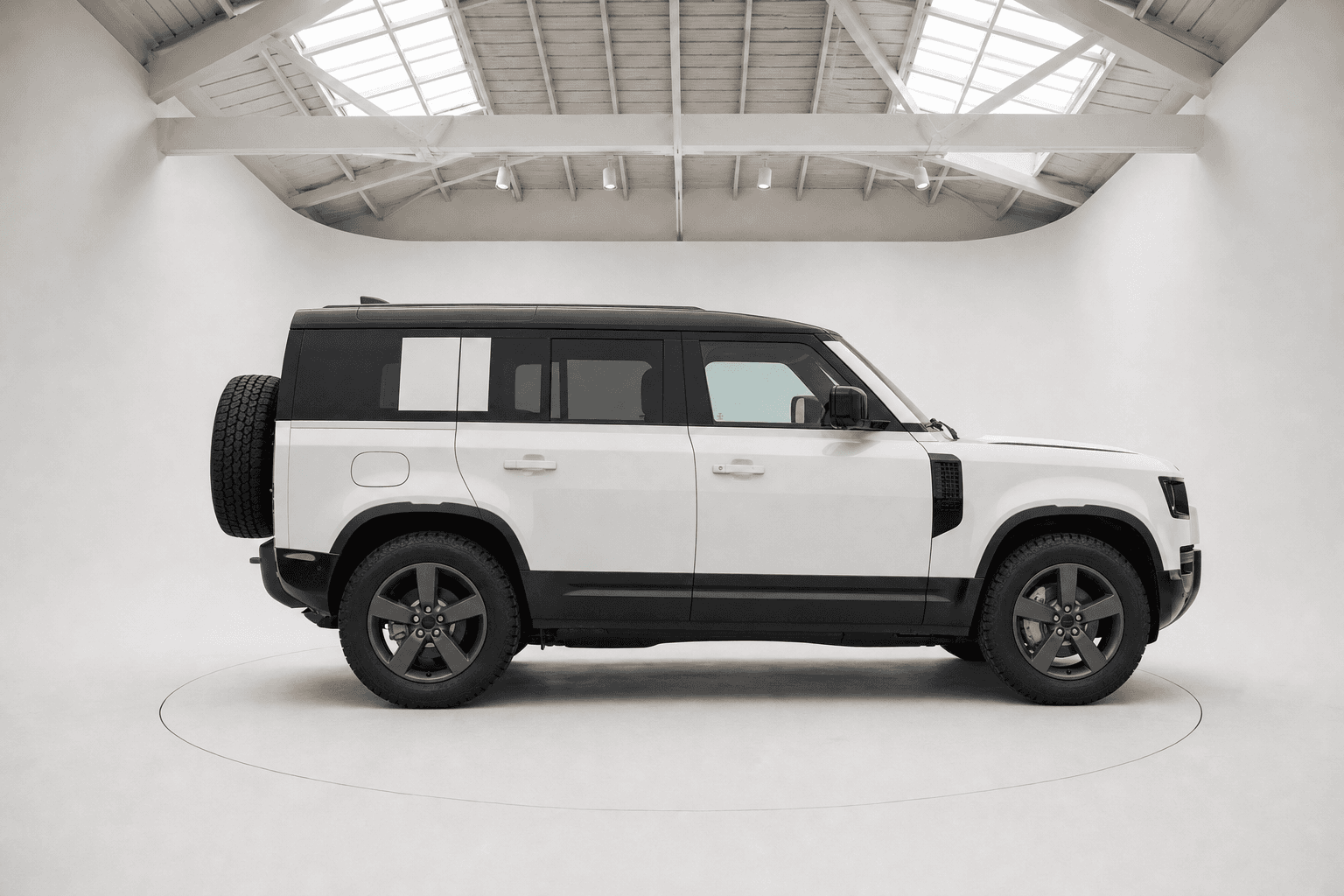
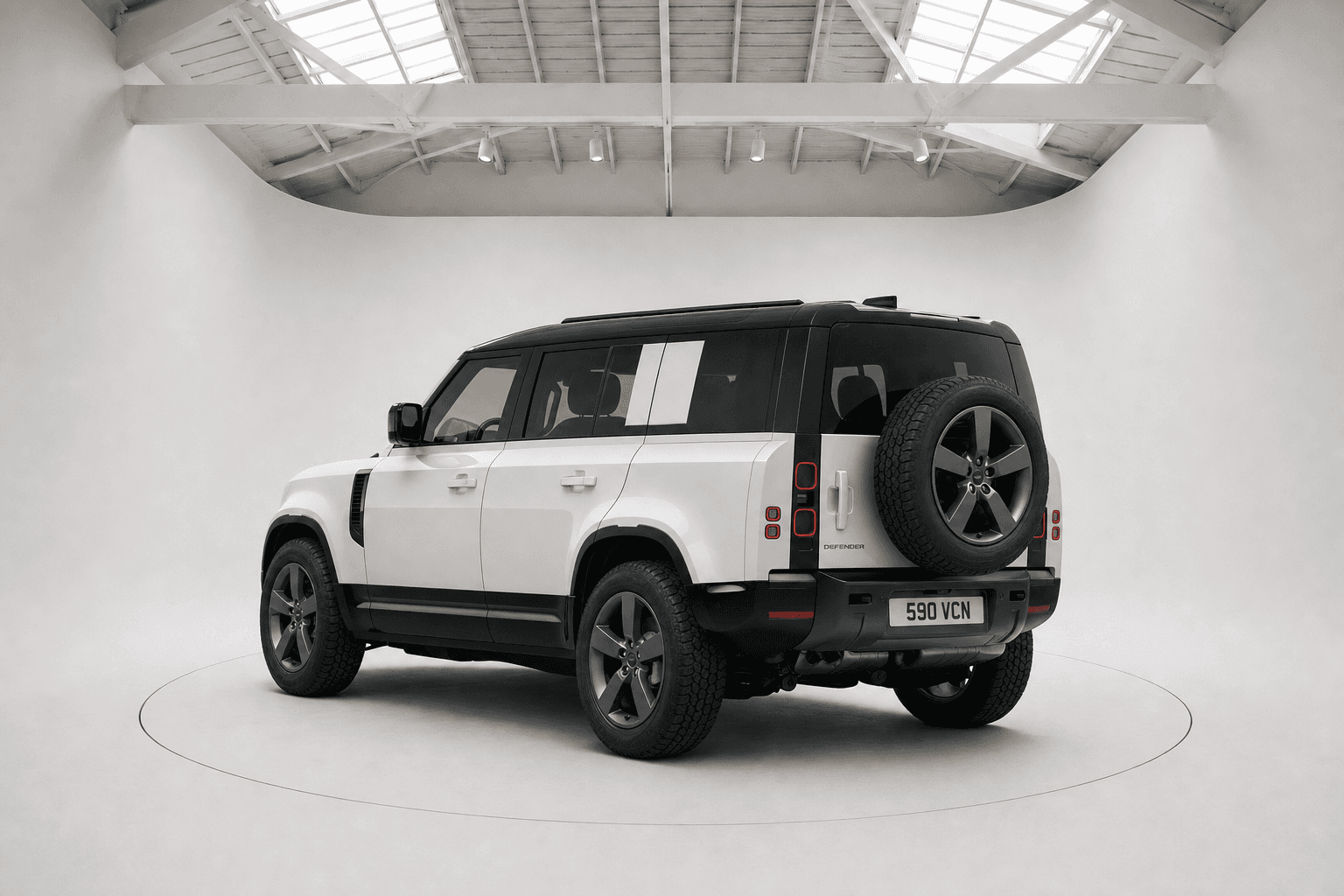
Images are illustrative and digitally rendered. They may not reflect the exact variant, colour or trim. Details →
There are more Defender variants than you can poke a stick at. Three bodies (the three-door 90, the five-door 110, the long 130 with up to eight seats), six engines, and a driveaway spread from around $112,000 to past $300,000 once the OCTA is counted. The capability claims are published figures, including 900mm of wading depth on long-travel air suspension. The silverware is current as well, with a Drive Car of the Year Lifetime Achievement award and the CarExpert Choice award for best off-road SUV both landing in 2026.
Start the shortlist with a diesel 110. As of late June 2026 the 110 S D250 cost $115,242 driveaway in NSW with the off-road hardware and the 3,500kg braked tow rating standard, and the upgrade that matters most, the 257kW/700Nm D350 bi-turbo, opened at $129,522 in X-Dynamic SE trim. What the window sticker leaves off needs budgeting too. On reviewers' long-running consensus, a typical options spend adds $20,000 to $30,000 to any list price, with servicing priced above the Japanese mainstream, so pin the dealer down on five years of servicing costs before the negotiation starts.
Body choice sorts the range before trim does. The 90 gives up boot volume and easy rear access in exchange for the tightest overhangs and the strongest geometry of the three. The 130 stretches to a genuine third row and a 1,329-litre boot, though some 130 grades are sold as five-seaters. Above the diesels, the petrol ladder climbs through the 313kW P425 and the 368kW P500, both 5.0-litre supercharged V8s, to the OCTA, the 467kW twin-turbo range-topper. Most households land on a 110; the 90 and 130 exist for the buyers who already know why.
Underneath sits a monocoque on long-travel air suspension with Terrain Response 2, a recipe no ladder-frame rival shares. Since the 2020 launch, Australian reviews have kept returning to road manners far beyond the ladder-frame class and to electronics that make hard terrain feel straightforward. The cabin is utilitarian by design, and the same coverage treats the 13.1-inch Pivi Pro system as a class benchmark. The drawbacks are just as well documented: a recall record laid out in the history section, an options list that adds real money to every build, and resale behind the segment's established players. The strongest case in the range is the diesel 110 with the D350 engine, because towing, economy and capability all hold up there at the lowest sensible spend; buyers whose brief leads with resale or servicing costs should likely stroll down the lot to another dealer.
467kW
The $329,022 twin-turbo V8 OCTA hits 100km/h in about four seconds.
The ladder below sorts by price, but the buying logic starts with body length, moves to engine and finishes at trim. Twelve grades run from a diesel 90 to the OCTA pair past $329,000, with the plug-in hybrids in the middle. Every price is NSW driveaway, correct as of late June 2026, before options.
From $112,617
The three-door diesel opens the range at $112,617 with 183kW, 19-inch wheels and cloth trim. The short tail delivers the strongest angles of any grade; boot volume shrinks and rear passengers climb past the front seats.
From $115,242
For $2,625 more ($115,242), the five-door adds a 972-litre boot and the full 3,500kg braked tow rating on the same 183kW diesel. The grade the rest of the range gets judged against.
From $129,522
$129,522 steps up to the 257kW/700Nm bi-turbo diesel, the engine the range does its best work with, plus 20-inch wheels, a panoramic roof and X-Dynamic's darkened exterior detailing.
From $139,812
At $139,812 the short body takes the 313kW 5.0-litre supercharged V8, the engine brought in to replace the old petrol six. Quicker, with a 12.7L/100km claim to budget around.
From $146,007
$146,007 dresses the D350 diesel in HSE spec: Windsor leather, heated and ventilated front seats plus a richer finish than the SE carries.
From $146,952
The plug-in hybrid arrives at $146,952 with 221kW of petrol-electric drive and a 3.1L/100km claim, the combination behind its novated-lease appeal. Budget a home charger to see the figure.
From $152,353
$152,353 puts the D350 into the long body with eight seats, three-zone climate control, rear air vents and a 1,329-litre boot. The school-run and country-trip Defender in one build.
From $159,657
At $159,657 the plug-in hybrid gains the HSE treatment: the same 221kW drivetrain wearing Windsor leather and the richer cabin finish, for buyers wanting the charge port and the luxury in one car.
From $182,652
$182,652 closes out the diesel line with the X grade: 22-inch wheels, a head-up display, ventilated seats and the full off-road equipment set fitted in one build.
From $247,378
The 368kW supercharged V8 in the eight-seat body costs $247,378. Braked towing sits at the 130 body's 3,000kg rather than 3,500kg, and the fuel spend climbs with the cylinder count.
From $329,022
$329,022 opens the OCTA: a 467kW twin-turbo V8, 0-100km/h in about 4.0 seconds, the quickest Defender built, and a brief aimed squarely at the Mercedes-AMG G63.
From $338,787
For $338,787 the OCTA goes blacked-out: identical 467kW hardware under darkened exterior detailing, and the most expensive Defender on the price list. The $9,765 step over the standard car is styling alone.
Driveaway estimate · NSW · priced Jun 2026. Varies by state. Details →
Fuel or charging, insurance, servicing, tyres and rego, with repayments if you finance it. Estimates for a NSW private buyer, not a quote.
The Land Rover Defender is rated to tow up to 3,500 kg with a braked trailer and 750 kg without trailer brakes. That maximum applies to the OCTA Black; across the range the braked rating spans 3,000 kg to 3,500 kg.
Heaviest braked trailer allowed, quoted as ATM: the loaded trailer including ball weight.
3,500 kg
Limit for trailers without their own brakes.
750 kg
Gross vehicle mass: the most the loaded vehicle may weigh, ball weight included.
3,230 kg
Gross combination mass: vehicle and trailer together, both fully loaded.
6,730 kg
The vehicle as delivered, before people, cargo and accessories.
2,585 kg
Everything you may add, ball weight included. Calculated: 3,230 kg GVM minus 2,585 kg kerb weight.
645 kg
Calculated
Downward load on the tow ball; it counts toward GVM.
150 kg
Figures for the OCTA Black. Other grades differ; pick a variant in the checker below.
Hook up 3,500 kg with 150 kg on the ball and the OCTA Black has 495 kg of payload left for people, cargo and accessories.
The GCM allows the full payload and the full tow rating at the same time, which is rarer than it sounds in this class.
Assuming 10 per cent of the trailer weight.
Two adults plus luggage is roughly 400 kg.
Over a limit. This combination does not comply.
Tow rating
0 kg under the 3,500 kg braked rating
Vehicle GVM
Over GVM by 105 kg. Lighten the load or the ball.
Combined GCM
245 kg spare across the whole combination
Tow ball limit
Over the 150 kg ball limit by 200 kg
Figures are manufacturer maximums for the OCTA Blackand can change with model year; the compliance plate and handbook of your exact vehicle govern. In Australia, trailers over 750 kg GTM (the loaded weight on the trailer's own wheels) need their own brakes, and over 2,000 kg they need brakes on all wheels plus a breakaway system. Ball weight typically runs 8 to 12 per cent of ATM. Axle loads and tyre ratings are not modelled here. Checking a different car against your van? Use the towing calculator.
ANCAP · Tested 2020
This vehicle achieved the highest possible ANCAP safety rating, with strong results across occupant protection, pedestrian safety and safety-assist technology.
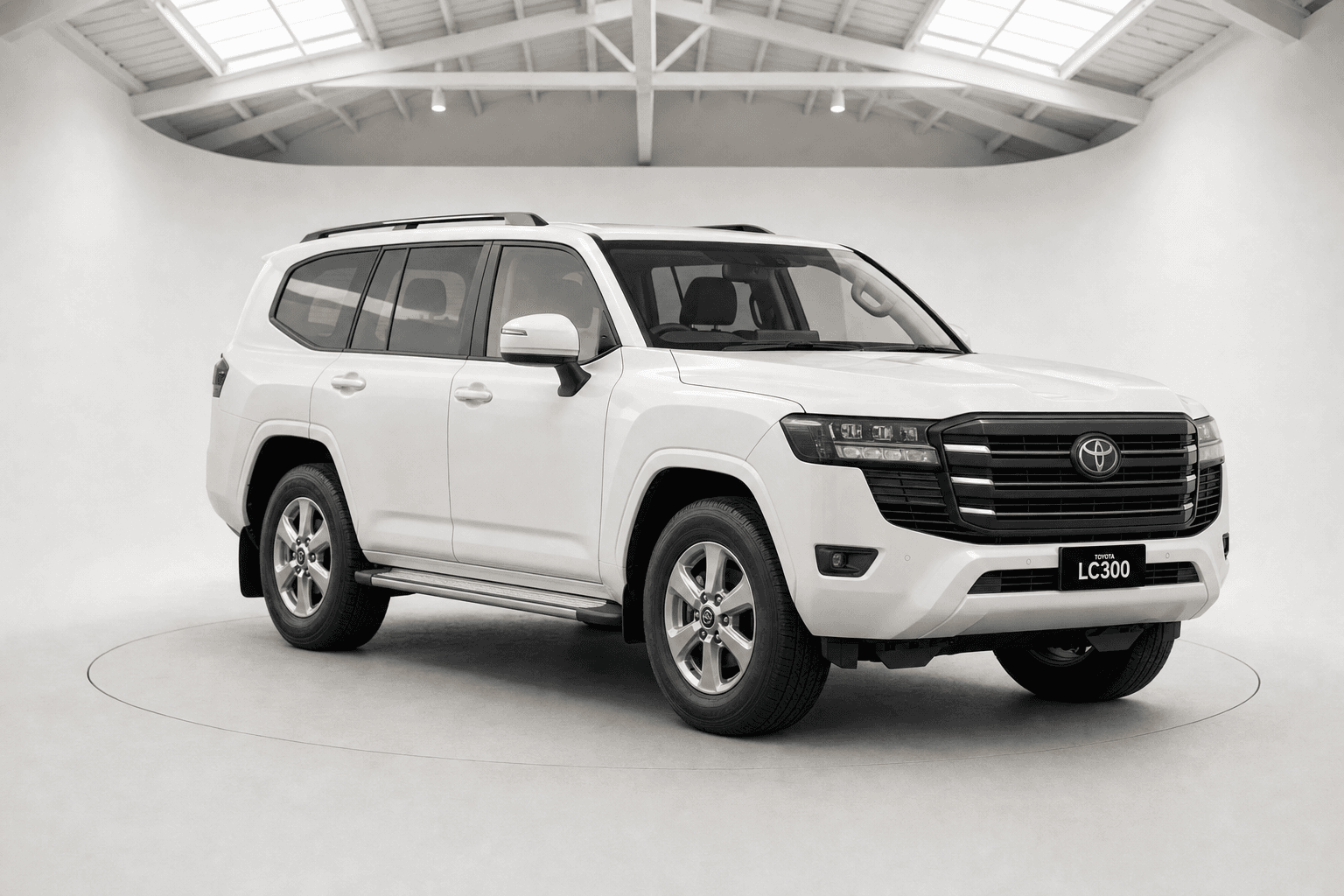
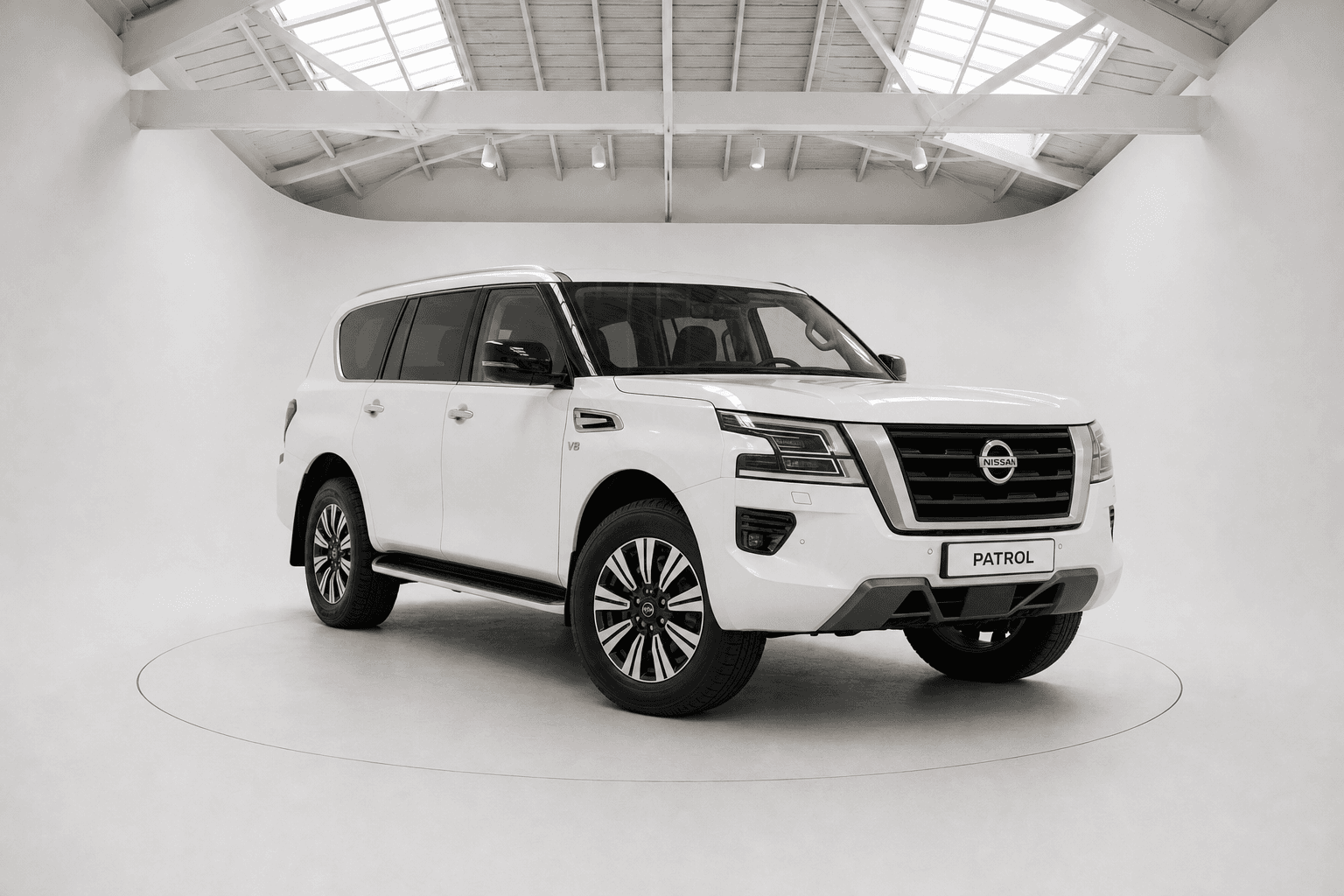
Buy a Defender to do the jobs no single rival covers: the school run, a 3.5 tonne caravan hitched on the most common grades, and a factory-built off-roader, all in one vehicle. Our money goes on a diesel 110 with the D350 engine, where capability, economy and price line up best. The named alternatives each win a narrower brief. A Toyota Prado or LandCruiser 300 holds value better and gets serviced in towns where Land Rover has no dealer. An Ineos Grenadier suits the buyer who wants mechanical simplicity ahead of electronics. A Ford Everest does most of the family work for tens of thousands less. None of them runs from a plug-in hybrid commuter to a 467kW range-topper, and the buyer who wants one vehicle to be several ends up here.
Past generations. Context, not the car on sale today.
No current 4WD hauls more backstory. The Defender started as a postwar farm implement, spent decades as an outback fixture, ended its first run in 2016 and returned in 2020 sharing nothing mechanical with what came before. The eras matter to used shoppers, because a 1995 car, a 2012 car and a 2022 car fail in entirely different ways.
Rover showed the Series I at the Amsterdam Motor Show in 1948, its aluminium body chosen because postwar steel was rationed, and examples reached Australia before the year was out. Local assembly followed, making Australia the first country outside England to build Land Rovers. The coil-sprung 110 of 1983 and 90 of 1984 set up the shape and the names the Defender still uses.
The Defender badge appeared in 1990, distinguishing the working original from the new Discovery, and reached Australia in 1992. Across the Tdi, Td5 and Ford-diesel decades it became an institution here, including the Australian Army's Perentie variants built in Sydney. It also wore the industry's least kind nickname, the British Disease: inconsistent build, awkward ergonomics, ordinary reliability. Solihull built the last one in January 2016.
The L663 reached Australia in August 2020 carrying nothing mechanical over from the classic: monocoque construction, air suspension, screens where the painted metal used to be. Traditionalists called it soft, a backlash widely credited with inspiring the Ineos Grenadier, but the market voted the other way. The new car has outsold the classic roughly ten to one here and reached buyers the old one never met.
Australian recalls on the L663 cover front-seat brackets and seat-belt pre-tensioners (2021 to 2022), a coolant-elbow fault carrying an engine-bay fire risk (2023), a software fault stopping the engine from starting (2023), a snorkel able to detach (2025) and a third-row seat-belt anchorage defect, recall REC-006575 (April 2026). Early builds also drew Pivi Pro software complaints and electrical gremlins. Confirm the recall work on any used example.
The car on sale now. The MY26 update reached Australian showrooms in October 2025 and made the 13.1-inch screen standard across the range, replaced the petrol six with the 313kW P425 V8 on 90 and 110 bodies, swapped the P400e plug-in hybrid for the P300e, and added the 467kW OCTA and its gloss-black OCTA Black sibling as the new range-toppers.
By Yuri Cartland, Editor